SERVING
Those That
SERVED
1. Acute & Subacute Peripheral Neuropathy
3. Amyotrophic Lateral Sclerosis (ALS)
5. Angiosarcoma
8. Bone Pain
9. Chloracne
10. Clear Cell Sarcoma of Aponeuroses
11. Clear Cell Sarcoma of Tendons & Aponeuroses
13. Dermatofibrosarcoma Protuberans
14. Ectomesenchymoma
15. Epithelioid Malignant Leiomyosarcoma
16. Epithelioid & Grandular Mailignant Schwannomas
18. Extraskeletal Ewing's Sarcoma
19. Hemangiosarcoma
22. Ischemic Heart Disease (IHD)
23. Leiomyosarcoma
24. Liposarcoma
26. Malignant Fibrous Histiocytoma
28. Malignant Giant Cell Tumor of the Tendon Sheath
29. Malignant Glandular Schwannoma
30. Malignant Granular Cell Tumor
31. Malignant Hemangiopericytoma
32. Malignant Leiomyoblastoma
34. Malignant Schwannoma with Rhabdomyoblastic Differentiation
36. Multiple Myeloma
40. Post Traumatic Stress Disorder
41. Proliferating Angiendothliomatosis
42. Prostate Cancer
44. Rhabdomyosarcoma
45. Synovial Sarcoma
46. Thyroidism
47. Type II Diabetes
Agent Orange Presumptive Disabilities
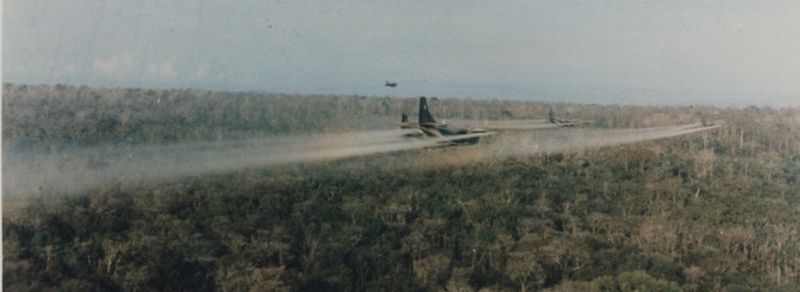
Long Term Effects of Agent Orange
The use of Agent Orange during the Vietnam War was intended to clear foliage and deprive the enemy of cover; however, its consequences have been far-reaching and devastating. While many veterans are aware of the immediate health risks associated with exposure—such as various cancers, respiratory issues, and skin disorders—fewer are informed about the potential generational effects. Research indicates that children of veterans exposed to Agent Orange may face increased risks of certain health conditions, including spina bifida, certain cancers, and other birth defects.
Who Qualifies for Agent Orange Benefits?
Veterans may qualify for presumptive service connection if one of the following applies:
- Served in Vietnam between January 9, 1962, to May 7, 1975.
- Served near the Korean DMZ from September 1, 1967, to August 31, 1971.
- Served aboard U.S. military vessels that operated on Vietnam’s inland waterways or coastal areas.
- Were stationed in Thailand, Guam, or other designated areas where herbicides were tested or stored (expanded under the Honoring Our PACT Act).
- Veterans unsure of exposure can check their service record against known contamination areas using resources like the Blue Water Navy Map.